The Ultimate Design Asset: Vegetables on a Transparent Background
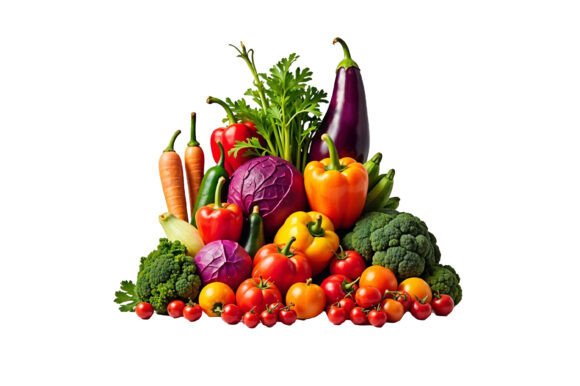
In the world of digital design, having the right visual assets can make or break a project. If you’ve ever struggled to find clean, usable images of vegetables for your work, you’ve likely come across the term "Vegetables on a Transparent Background." This isn't just a technical description; it’s a gateway to creative freedom and professional polish. Essentially, these are PNG image files where the vegetable graphic is isolated, and the background is completely transparent. This means you can place the image directly onto any other design—a colored background, a menu layout, a social media post—without any awkward white boxes or tedious cropping.
Why Transparency is Your Secret Weapon
The "transparent background" part is the magic. It removes the barrier between your asset and your canvas. Think about trying to use a standard JPEG of a bell pepper from a stock photo site. You’d have to carefully cut it out, which takes time and often leaves jagged edges. A PNG with a transparent background gives you that pepper, ready to use, instantly. This is especially crucial for maintaining a consistent, clean aesthetic across all your materials, from a tiny Instagram sticker to a large restaurant window banner.
Real-World Applications: Where These Graphics Thrive
This versatility opens up a universe of practical applications. Let’s move beyond the feature and look at where these assets truly shine in everyday creative and business tasks.
For restaurant owners and marketers, this is a treasure trove. Designing a seasonal menu? You can seamlessly incorporate 3D vegetables on a transparent background to highlight new dishes. Creating social media posts about farm-fresh ingredients? These graphics allow you to build engaging, professional-looking collages without a designer on staff. Website banners, email newsletters, and even physical materials like stickers for loyalty programs become far easier to produce with a cohesive visual library.
Crafters and hobbyists find immense value here. Whether you’re designing custom t-shirts with Sublimation Printing, creating personalized recipe books for scrapbooking, or making decorations for a garden-themed party, having isolated vegetable graphics means you can mix and match them with other elements effortlessly. The 300 DPI resolution ensures that even when printed, the images remain sharp and vibrant, avoiding that blurry, pixelated look that can ruin a handmade project.
Digital content creators, from bloggers to small agency teams, use these assets to elevate their work. Imagine creating an infographic about nutritional benefits, a webinar slide on healthy eating, or a feature graphic for a blog post. Vegetables on a Transparent Background integrate smoothly into these digital layouts, saving hours of production time and lending an authoritative, polished feel to the content.
The Power of the 3D Vegetable Clipart Bundle
When these assets are presented as a bundle of high-quality 3D clipart, the benefits multiply. 3D rendering gives the vegetables a modern, appealing look with subtle shadows and dimensionality that feels contemporary and engaging. This isn’t flat, cartoonish clipart from decades ago. It’s graphics that fit today’s design trends.
- Menu Design: 3D vegetables can denote vegetarian options or add visual flair to section headers.
- Branding Materials: They can become part of a restaurant’s visual identity, used on business cards, signage, and packaging.
- Party Invitations: For a garden party, cooking class, or healthy lifestyle event, they set the perfect thematic tone.
- Digital Projects: From app icons to online course materials, the RGB color format ensures they look great on screens.
A bundle means you get a coordinated set. Instead of hunting for a single perfect tomato and then a separate cucumber, you have a whole pantry at your disposal. This consistency in style and quality across all items is what allows for building cohesive projects without the asset hunting becoming a project itself.
Considering Your Needs Before You Use Them
While these graphics are incredibly useful, a little forethought ensures they serve you perfectly. First, consider the scale of your project. The 300 DPI resolution is ideal for print, but confirm the actual pixel dimensions of the files to ensure they’re large enough for your banner or small enough to not overload a website. For purely digital use, you might sometimes resize them, so starting with a high-resolution base is key.
Second, think about visual style matching. The 3D aesthetic is specific. If your brand or project has a very flat, minimalist, or photographic style, 3D vegetables on a transparent background might feel out of place. They work best in contexts that welcome a modern, illustrative look.
Also, be mindful of color usage. Since the background is transparent, the vegetables will sit directly on your chosen backdrop color. A vibrant red pepper might pop beautifully on a dark grey background but clash with a bright orange one. Always test the asset on your actual design background to see how the colors interact. The RGB color mode means they are optimized for digital display, which is perfect for screens but something to note if you have very specific print color requirements (like CMYK matching).
Different Users, Different Benefits
The value of these assets changes depending on who’s using them. A busy restaurant manager benefits from the time saved and the professional look achieved with minimal effort. They solve a practical problem: getting good-looking marketing materials out quickly without a big budget.
A graphic designer benefits by having a reliable, high-quality component library. They can focus their time on the overall layout and creative concept, not on the tedious task of asset preparation. It speeds up their workflow and increases output.
An event planner or DIY enthusiast benefits from the creative possibilities. These graphics empower them to execute professional-level designs themselves for invitations, decorations, or personal crafts, unlocking a level of quality they might not otherwise achieve.
In each case, the underlying strength is the same: removal of technical barriers. The transparent background and ready-to-use format democratize good design. They are a tool that bridges the gap between having a vision and executing it visually.
Strengths and Practical Limitations
The primary strength is, without doubt, versatility and ease of use. The combination of transparency, high resolution, and a 3D style crafted for contemporary design makes these assets a robust solution for a wide array of needs. They are particularly strong for digital-first projects and print projects where a modern illustrative feel is desired.
A potential limitation lies in their specificity. They are illustrations, not photographs. If your project requires hyper-realistic, photographic imagery of vegetables, this bundle won’t fulfill that need. Likewise, the style of the 3D rendering is fixed. You cannot easily alter the lighting or perspective of a vegetable within the file itself; it comes as a finished visual element to be placed, not modified.
Finally, while a bundle offers variety, it may not contain every single obscure vegetable you might need for a highly niche project. It’s excellent for common, recognizable produce. Assessing the contents of the specific bundle against your actual required inventory is a simple but crucial step.
In essence, Vegetables on a Transparent Background, especially as part of a curated 3D clipart bundle, are more than just images. They are design enablers. They turn complex visual tasks into simple placements, allowing your focus to remain on the bigger creative picture—whether that’s marketing a restaurant, celebrating a hobby, or producing standout digital content. By understanding both their power and their parameters, you can harness them to bring clarity, style, and efficiency to virtually any project that calls for a touch of fresh, visual flavor.