The Expressive World of Digital Journal Pages
For those exploring the vast landscape of creative and stationery resources, digital Journal Pages represent a specific and versatile category. They are typically high-resolution digital files, often in JPG format, designed to serve as the foundational artistic layer for a multitude of projects. Unlike physical, pre-printed notebooks or single-use stationery, these digital pages offer a unique blend of structure and open-ended possibility.
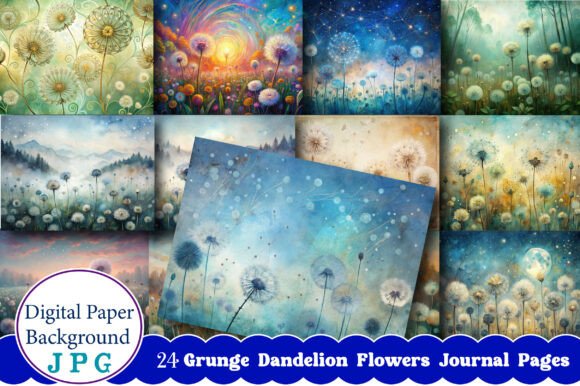
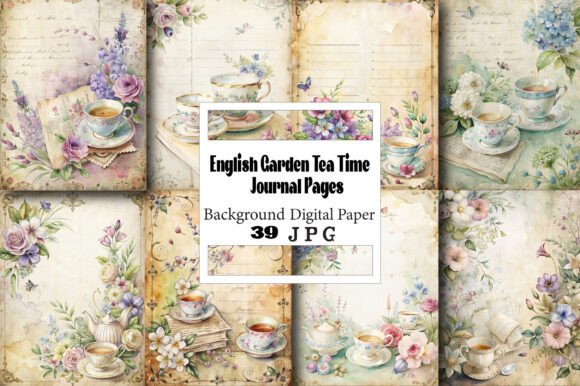
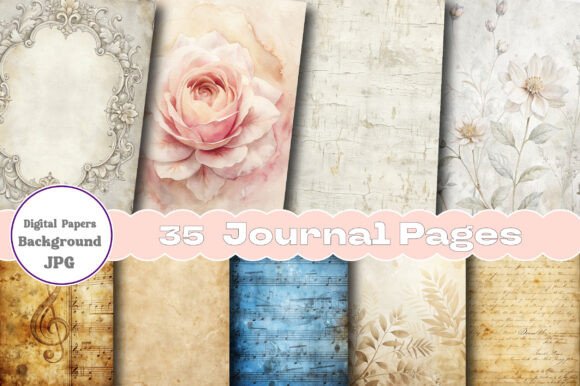
What makes Journal Pages distinct is their role as a raw material. They are not finished products but rather customizable substrates. A single pack of Journal Pages can fuel projects ranging from handmade junk journals to professional graphic design. This versatility stems from common specifications: an 8.5" x 11" size that aligns with standard US letter paper, a high resolution of 300 DPI ensuring print-ready quality, and a format that is compatible with both digital design software and physical printing techniques like sublimation.
Evaluating the Core Strengths and Tradeoffs
The primary strength of digital Journal Pages is their adaptability. One purchase can serve a cross-crafting purpose. The same floral background might be resized for a greeting card, used full-scale for a junk journal book cover, or adapted as a trendy social media graphic. This contrasts with purchasing specialized, physical items like pre-made gift tags or specific party napkins, which are single-use in their application. For crafters and designers who work across mediums, this represents significant value and creative freedom.
However, this strength comes with a tradeoff. Journal Pages require additional effort and resources to become a finished product. You need access to printing equipment, cutting tools, design software, or sublimation hardware. They are a component, not a solution. If your goal is immediate, ready-to-use stationery, purchasing physical handmade notebooks or pre-printed wrapping paper might be a more straightforward alternative. The choice hinges on whether you prioritize customization and multi-use potential over convenience.
Comparing Formats: Digital versus Physical Foundations
When comparing options for projects like junk journals or scrapbooking, the decision often centers on the foundation material. Traditional collage crafting might start with vintage book pages, magazine clippings, or purchased patterned paper. These physical items offer texture, serendipitous finds, and an immediate tactile experience. Digital Journal Pages, conversely, offer consistency, a wide range of intentional designs, and the ability to print multiple copies of the same pattern perfectly. They are a modern, reproducible alternative to ephemera.
The best-fit situation for Journal Pages is when your project requires repeatable elements or a cohesive aesthetic. For example, creating a suite of matching wedding invitations, party decorations, and thank-you cards is simpler with a unified digital background pack. Similarly, a small business owner producing branded candle labels or packaging might find digital pages more scalable than sourcing individual physical papers.
Decision Factors: When Journal Pages Are the Right Choice
Several key factors can guide whether Journal Pages align with your needs. First, consider your preferred workflow. If you enjoy hybrid crafting—mixing digital design with handmade assembly—these resources are ideal. Second, assess your tools. Having a good quality printer, cutting machine, or proficiency in basic digital editing software (even free applications) unlocks the potential of Journal Pages. Without these, their utility diminishes.
Journal Pages may also be the right choice when project scope is variable. A digital planner cover can be resized for a phone case; a writing paper design can become a website graphic. This is less feasible with fixed physical items. Furthermore, for those selling handmade items like greeting cards or t-shirts, using licensed digital pages can provide a cost-effective and diverse library of art without the need for original illustration each time.
Identifying Limitations and Potential Alternatives
It is practical to acknowledge areas where Journal Pages might not be the optimal resource. Their digital nature means they lack the inherent texture, weight, and feel of specialty art papers or handmade stationery. For projects where the physical material's quality is paramount—such as high-end decoupage art or certain bookbinding techniques—you may need to pair the printed Journal Page with a carefully chosen substrate paper.
Another consideration is artistic style. While many packs offer watercolor, vintage, or geometric designs, they may not match a highly specific, niche aesthetic you envision. In such cases, creating your own digital backgrounds or commissioning custom art could be alternatives. Similarly, for purely digital uses like website graphics, standalone stock photography or vector art packs might offer more immediate usability without the printing consideration.
Practical Applications Across Creative Domains
The use cases for Journal Pages are extensive, which explains their popularity among a diverse audience. Realistic examples illuminate their role:
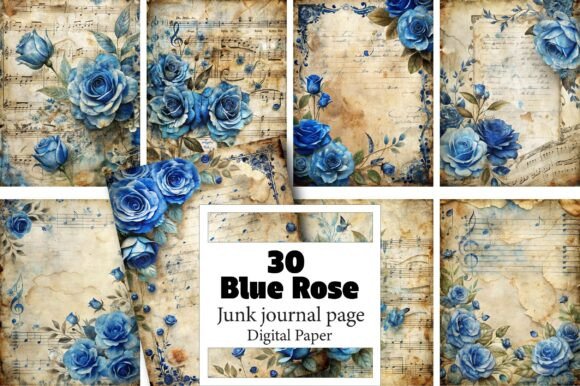
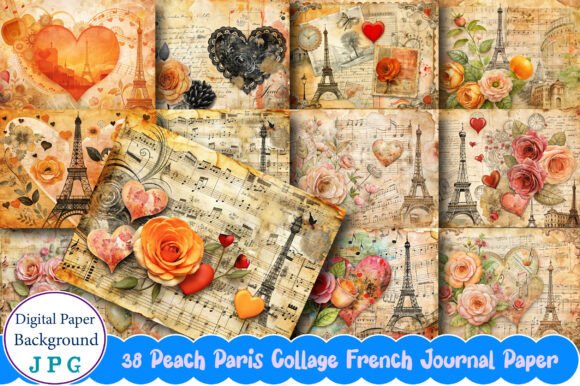
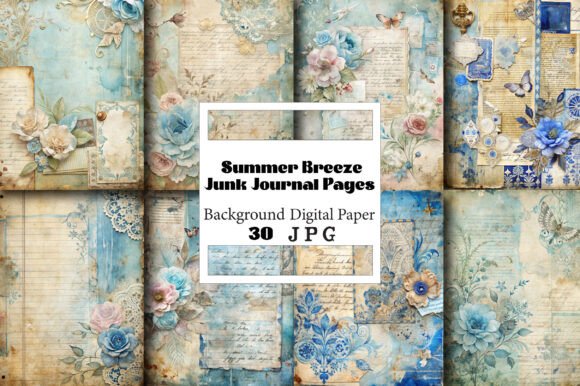
- For the Junk Journal Enthusiast: A pack of Journal Pages with distressed, vintage motifs can be printed, torn, inked, and assembled into a unique junk journal book, serving as both background pages and material for creating ephemera like gift tags or playing cards.
- For the Small Business or Event Planner: Coordinating a baby shower can involve using a single Journal Pages design set for printable invitations, cupcake toppers, party napkins (via printing on tissue paper), and backdrop graphics, ensuring a cohesive theme.
- For the Digital Creator: The same high-resolution file can be cropped and adapted to serve as a YouTube channel background, a blog header, and digital planner covers sold online, maximizing the return from one resource.
This cross-pollination of uses is a significant advantage. It allows crafters, designers, and hobbyists to explore alternatives within their own toolkit without acquiring new, specialized products for each minor project variation.
Navigating the Purchase: Specifications and Expectations
When evaluating a specific offering of Journal Pages, attention to the technical details is crucial. The mention of 300 DPI and 8.5" x 11" dimensions indicates a product suited for professional printing, where lower resolutions would result in pixelated outputs on items like mugs or wall art. The JPG format is universally compatible, but it is a raster format—resizing significantly beyond its dimensions may reduce quality. The note that dimensions can be resized is helpful for smaller projects like stickers or coasters, but upsizing for large posters may not be feasible.
The instant digital download model provides immediate access, a contrast to waiting for physical shipment of craft papers. Understanding that the files come without a watermark is essential for commercial use projects like KDP book covers or product labels. Users comparing options should weigh these digital benefits against the potential need to then invest in their own printing and finishing supplies.
Making an Informed Selection for Your Projects
Ultimately, choosing to utilize Journal Pages is about aligning a resource's capabilities with your project requirements and personal workflow. They are a powerful, multi-purpose option for those who operate in both digital and physical creative spaces. Their strength lies not in being the only solution, but in being a remarkably flexible one that can reduce the need to source disparate materials for different crafts.
If your primary activities are purely digital—such as social media graphics or digital presentations—you might find dedicated graphic templates more streamlined. If your crafting is exclusively tactile and you cherish sourcing unique physical papers, then the digital route may feel indirect. However, for the growing number of creators who blend these worlds, digital Journal Pages offer a practical bridge, enabling a single artistic vision to manifest across junk journals, party invitations, website graphics, and handmade stationery with cohesive ease.
The key is to assess your typical projects, available tools, and desire for customization. By understanding both the expansive potential and the necessary hands-on work involved, you can determine whether this category of digital background serves as a central, versatile resource in your creative toolkit or a specialized supplement for specific, print-based needs.