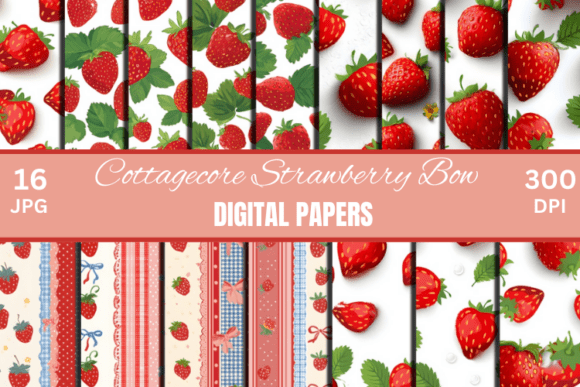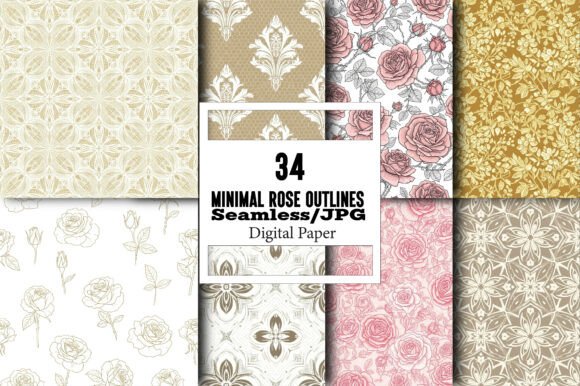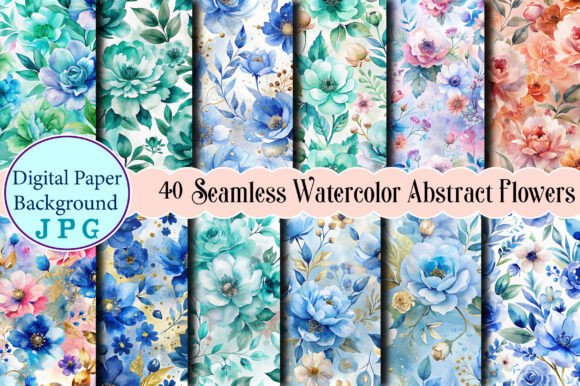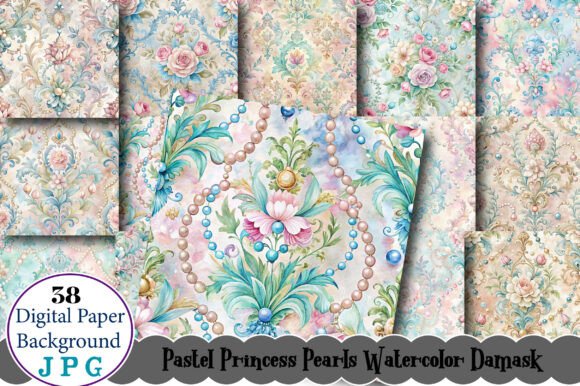
The Allure of Dreamy Watercolor Dye Patterns
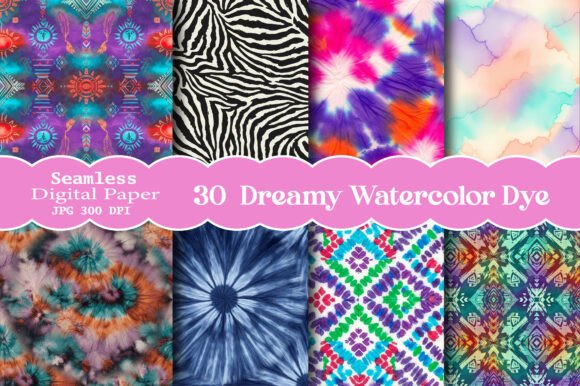
The digital design space is rich with textures and motifs, but few possess the inherent versatility and emotional resonance of the seamless dreamy watercolor dye pattern. This graphic style captures the essence of fluid artistry—soft blooms of pigment, gentle gradients, and serendipitous blends that mimic the traditional watercolor technique. Unlike rigid geometric prints, this pattern thrives on its organic flow, creating a foundation that is both visually captivating and highly adaptable.
Core Characteristics of Fluid Graphic Patterns
Understanding what defines a dreamy watercolor pattern is key to leveraging its potential. These designs are not random splashes; they are carefully crafted digital assets that replicate the behavior of water and dye on paper. The seamless aspect is particularly crucial, meaning the pattern tiles perfectly without visible edges, allowing it to cover large areas—from a website background to a fabric print—with a continuous, unbroken artistic effect.
The color palette is typically soft and often pastel, though vibrant bursts can be integrated. Transparency and layering effects are fundamental, creating depth where colors appear to mix and overlap naturally. This high-resolution graphic set, often provided at 300 DPI, ensures that these delicate details remain sharp and clear at any scale, from a small soap label to a large wall art print.
The Practical Advantage: Resolution and Format
For creators, the technical specifications matter as much as the aesthetic. A pattern offered in JPG format at 300 DPI is prepared for professional use. This resolution is the standard for high-quality printing, ensuring that the dreamy watercolor dye pattern maintains its integrity on physical products. The JPG format provides a balance of quality and file size, making it easy to use across both digital platforms and print software without specialized conversion.
A Spectrum of Creative Applications
The true value of this asset lies in its boundless application. It serves as a universal artistic touch, elevating projects across disparate fields.
For the Hands-On Crafter and DIY Enthusiast
Physical craft projects gain a unique, personalized charm with this pattern. It is ideal for personalizing everyday items like notebooks, tote bags, and pillows through techniques such as decoupage or direct printing. In the realm of paper crafts, its role in mini junk journals and scrapbook pages is transformative, providing a cohesive and beautiful background that ties disparate elements together. Furthermore, crafters find it excellent for creating handmade stationery, bookmarks, and even vibrant decks of playing cards.
Enhancing Commercial and Gift Products
Small business owners and artisans can integrate this graphic into their product lines to add value and distinctiveness. Applying the pattern to candle and soap product labels immediately sets these items apart in a crowded market. Similarly, it can be used for packaging, adding a layer of sophistication to gift boxes or product wrappers. The pattern is also perfectly suited for creating craft gifts, where its artistic quality communicates care and creativity.
The Digital and Event Planning Sphere
Digital art enthusiasts and web designers utilize this magical pattern as engaging website graphics or trendy backgrounds for social media platforms, injecting warmth and creativity into digital spaces. Event planners, on the other hand, use it to zest up physical touchpoints like party napkins and plates, creating a cohesive and whimsical theme for celebrations. Its fluid nature adapts easily to invitations, banners, and other decorative elements.
Integrating the Pattern into Your Workflow
Incorporating a seamless dreamy watercolor dye pattern into a project requires consideration of context and medium. For digital uses, such as website backgrounds or social media graphics, ensure the pattern's scale and color contrast work with overlaid text and icons for readability. In print applications, a test print is advisable to confirm the colors render as expected on the specific material—whether it’s fabric for T-shirts, paper for wall arts, or vinyl for phone cases.
The pattern’s versatility also extends to 3D designs and unique applications like enhancing cups and tumblers or creating striking logos. When used for a logo, the watercolor effect can convey creativity, softness, or innovation, but it should be simplified enough to remain recognizable at small sizes.
Observations on Market Trends and User Adoption
The popularity of such patterns aligns with broader trends favoring personalized, artisan-style aesthetics in both digital and physical goods. Consumers and clients increasingly seek out designs that feel human-made and emotionally resonant, moving away from stark, corporate visuals. The dreamy watercolor dye pattern meets this demand. Its adoption by diverse users—from hobbyists making scrapbook decoupage to professionals designing product labels—demonstrates its cross-disciplinary appeal.
Key Considerations for Optimal Use
While highly versatile, some considerations ensure the pattern serves the project effectively. First, the original file quality is paramount; always source high-resolution files to avoid pixelation. Second, consider color theory: the pattern’s existing palette should harmonize with other elements in your project. You may need to adjust the saturation or brightness digitally to achieve perfect cohesion. Finally, remember that while the pattern is seamless and can cover large areas, sometimes a smaller, focused snippet of the design can be more impactful as a feature element on a bookmark or a product label.
The ongoing utility of this graphic set is evident in its listing of potential uses: for digital paper packs, backgrounds, graphic designs, planning events, and much more. It effortlessly transforms mundane objects—a plain tumbler, a simple napkin, a basic website header—into items of artistic interest. This transformative power is not about overt branding, but about infusing a project with a gentle, fluid world of color and form.
Each original design within such a package carries intentionality. The blend of colors, the flow of the dye simulation, and the balance of empty space are crafted to be both standalone art and a functional template. This dual nature is what makes the dreamy watercolor dye pattern not just a graphic, but an exquisite asset. It supports creativity not by dictating a direction, but by providing a rich, adaptable, and professionally-executed foundation from which endless personalized projects can bloom.