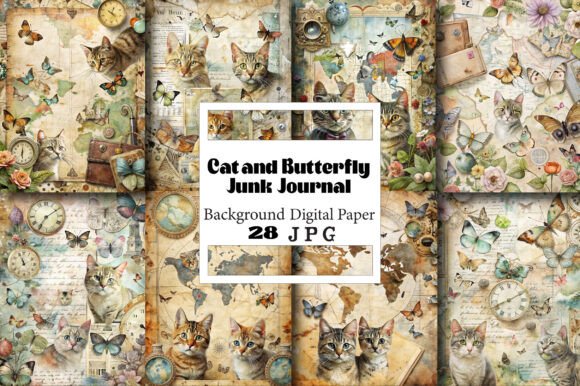
Cat and Butterfly Junk Journal: A Gateway to Creative Expression
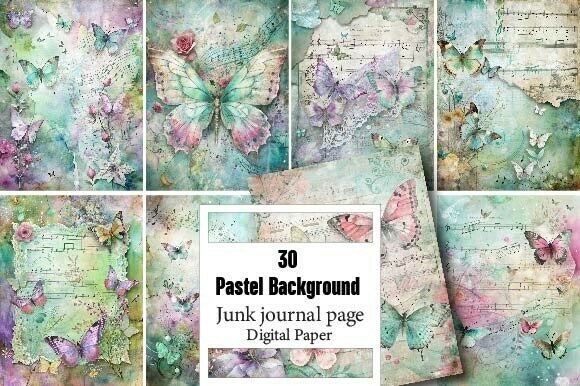
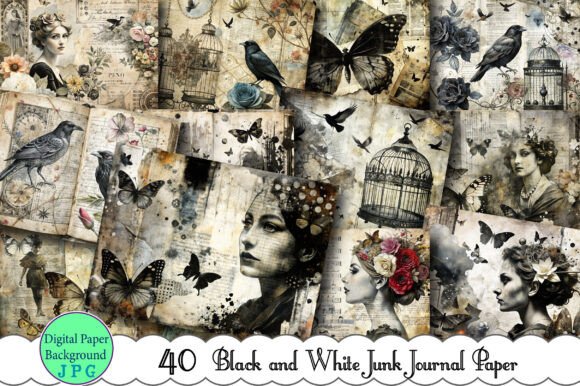
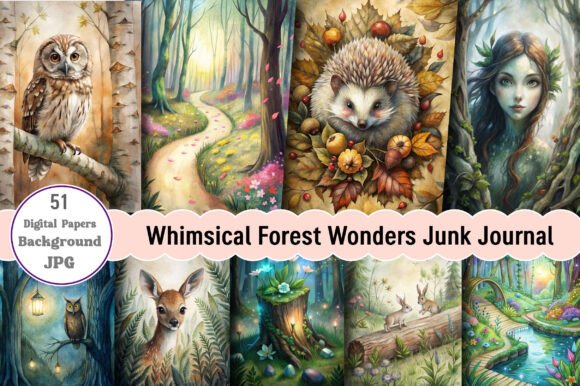
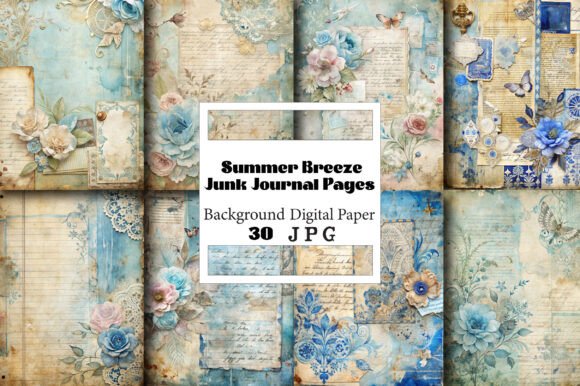
The world of digital art and crafting resources is vast, but finding a versatile, high-quality starting point can be challenging. The Cat and Butterfly Junk Journal digital collection is precisely that—a comprehensive set of beautiful, themed graphics designed to fuel a multitude of creative projects. At its core, this collection is more than just a pack of images; it's a toolkit for storytellers, crafters, and entrepreneurs looking to add a unique, charming aesthetic to their work.
People are drawn to themes like cats and butterflies because they evoke feelings of whimsy, nostalgia, and natural beauty. This specific collection taps into that appeal, offering cohesive designs that can elevate personal projects or commercial products. However, the true value lies not just in the theme, but in understanding how to use such a resource effectively to avoid common pitfalls that can undermine your efforts.
Understanding the Scope and Avoiding Limitations
A primary oversight is underestimating the breadth of applications. Seeing a list that includes junk journals, greeting cards, and social media graphics is helpful, but it's easy to mentally categorize it for just one intended use. For instance, a beginner might download it solely for making a junk journal page, overlooking its potential for creating matching party napkins, product labels, or trendy website graphics. This narrow view limits your creative ROI.
A better approach is to review the entire list of suggested uses as a brainstorming session. Before downloading, sketch out or note three different projects you could start with the same files—perhaps a handmade greeting card, a set of gift tags, and a background for your next blog post. This mindset shift ensures you maximize the purchase, creating a cohesive brand or personal style across multiple mediums.
Resolution and Format: The Foundation of Quality
The technical specifications are where practical choices make or break your final product. The collection is provided in JPG format at 8.5" x 11" and 300 DPI. A common mistake is assuming all printing or sublimation processes are the same and neglecting to verify your printer’s capabilities or your software's requirements. Using a 300 DPI image for a large tumbler wrap is excellent, but resizing it for a small sticker without maintaining proportional dimensions can result in a blurry or pixelated output.
How this affects results: A low-resolution print on a greeting card or a pixelated graphic on a website background communicates poor quality, even if the original design is beautiful. For sublimation on mugs or t-shirts, incorrect sizing can lead to wasted blanks and unsatisfactory colors.
Practical advice: Always use professional design software (like Adobe Photoshop, Affinity Designer, or even capable free tools like GIMP) that allows you to resize intelligently. When changing dimensions, ensure the "Resample" or scaling function maintains the high 300 DPI resolution. For large-scale projects like posters, you might be working at the native 8.5" x 11" size, but for small items like soap labels, you'll scale down while keeping the DPI high.
The Instant Download Paradigm and Preparation
The "instant digital download" model is convenient, but it can lead to a disorganized workflow. A frequent error is downloading the files directly into a cluttered folder and then struggling to find them later when inspiration strikes. Furthermore, some creators forget the note that the original files come without the watermark, leading to unnecessary concern about the preview images shown on the sales page.
To avoid this, create a dedicated folder on your computer immediately after purchase. Label it clearly (e.g., "Cat_and_Butterfly_Resources_2024") and perhaps even subdivide it by potential project types. This simple organizational step saves immense time and frustration later, keeping your creative process smooth. Remember, the files you receive are clean, high-resolution JPGs ready for your use.
Application-Specific Considerations and Missteps
When applying these designs to specific crafts, each domain has its own nuances. For example:
- For Junk Journals and Paper Crafts: A misunderstanding is printing the designs on standard, thin printer paper. The result is flimsy, tear-prone pages that don't feel substantial. Instead, invest in good-quality cardstock or textured paper for a professional, tactile result that enhances the journaling experience.
- For KDP (Kindle Direct Publishing) or Book Covers: Simply placing the image as a cover without considering Amazon's specific dimension and resolution guidelines can lead to rejection or a poorly displayed thumbnail. Always cross-check KDP's current cover template sizes and use the resizable nature of these files to adapt precisely.
- For Sublimation on Tumblers or T-shirts: Assuming the colors will translate perfectly without a test print is a risk. Sublimation requires specific settings and pressures. A better choice is to print a small test section on a similar material first to verify color vibrancy and alignment.
These examples highlight that the digital resource is a starting point; its successful application depends on your knowledge of the final medium's requirements.
Beyond Crafting: Commercial and Digital Use
Entrepreneurs and marketers might look at this collection for social media graphics, website backgrounds, or product labels. A typical oversight here is using the graphics in a generic way without customization. Placing a beautiful cat and butterfly graphic directly as a Facebook post background might work, but it’s more effective to layer it with your text and branding elements thoughtfully.
To avoid a generic look, use the graphics as foundational layers. Add your logo, text, or other design elements in a way that complements, not overwhelms, the original art. For website graphics, ensure the image's file size is optimized for web use after resizing to prevent slow page loading speeds, even though you start from a high-res file.
The collection’s suitability for logo inspiration or digital planner covers is also significant. However, a mistake would be to use a complex, detailed scene from the pack as a full logo without simplification. It's better to extract a specific element, like a single butterfly silhouette, to create a more versatile and scalable brand mark.
Final Checks Before Your Creative Journey
Before you finalize your decision to use the Cat and Butterfly Junk Journal collection for a project, pause and ask yourself a few questions:
- Have I confirmed the technical requirements (size, DPI, format) for my specific output method (printer, sublimation machine, web platform)?
- Do I have the right materials (paper type, blank mug, fabric) to pair with this high-quality digital design?
- Have I organized the downloaded files for easy access and future projects?
- Am I planning to use this collection across multiple projects to build a consistent aesthetic?
Answering these questions turns a simple download into a strategic creative asset. The Cat and Butterfly Junk Journal offers a world of possibility, from the tangible joy of a handmade card to the professional polish of a website graphic. By approaching it with a mindful, prepared perspective, you avoid the common frustrations and unlock its full potential, ensuring every project you undertake is as delightful and effective as the charming theme itself.